
How long can a condemned man stand on the gallows before the crowd starts to pity him rather than jeer him?
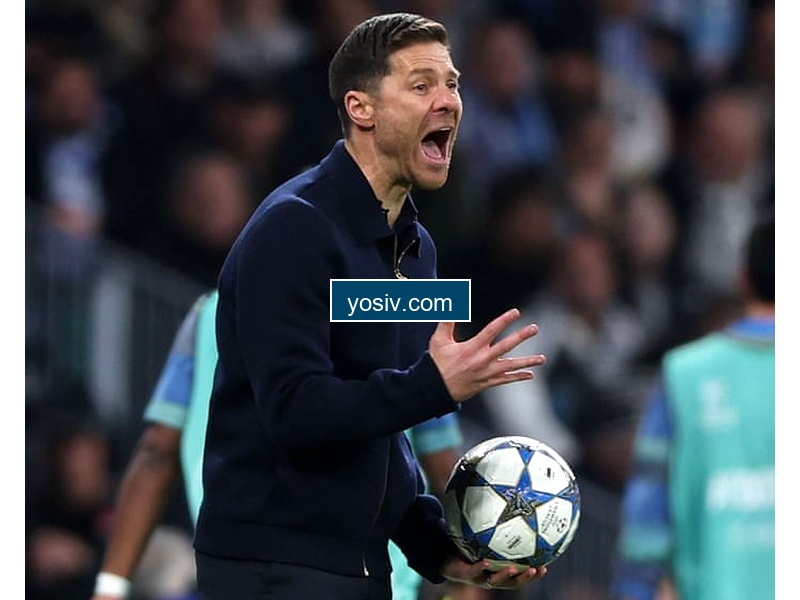
It is a brutal question, but the Santiago Bernabéu is a brutal place. On a night scripted for an execution, Xabi Alonso stood in the technical area, dressed in the dark suit of a man attending his own funeral, and watched his Real Madrid team refuse to die quietly. They fought. They clawed. They bled. But in this cruel theater, where the only currency is silver and the only language is victory, the nobility of the struggle rarely saves you from the blade.
As the final whistle cut through the Madrid night, confirming a second defeat in four days, Alonso did not linger. There were no waves to the crowd, no theatrical gestures of defiance. He simply turned and vanished down the tunnel, disappearing into the bowels of a stadium that may have just seen the last of him.
The Embrace at the Edge of the Abyss
There is a specific kind of tragedy in watching a team play for a manager they love, knowing it might not be enough. The narrative arc of this match wasn't about tactics or xG; it was about loyalty in the face of impending doom.
When Rodrygo found the net—his first goal in a staggering 33 games—he didn't run to the camera. He didn't run to the corner flag. He sprinted, lungs burning with relief and desperation, straight into the arms of Xabi Alonso. It was a visceral image: the player breaking a curse, trying to save the mentor who had stood by him.
"It was not enough." — Rodrygo
Those four words, uttered by the Brazilian after the match, carry the weight of the entire season. The embrace was a shield, a gesture of solidarity on the edge of the abyss, but football is a results business, and Manchester City are the ultimate pragmatists. They do not care for your narrative. They simply grind you into dust.
The Shadows in the Boardroom
While the players fought on the grass, the real battle for Alonso’s soul was likely already decided in the plush offices above. We know the score. Late last Sunday, the whispers suggest the hierarchy had the pen hovering over the contract termination. The sentence was suspended, a temporary reprieve granted by nostalgia or hesitation, but this match was framed as the final judgment.
- The Cold Reality: Two wins in the last eight games.
- The Context: Back-to-back home defeats at the Bernabéu.
- The Opponent: A Manchester City side that exposes every crack in the armor.
Real Madrid does not do "transition years." They do not accept "moral victories." Alonso, a man who once controlled the midfield of this stadium with the elegance of a conductor, now finds himself unable to control his own destiny. The fight shown against City complicates the narrative—it is harder to sack a man whose players are willing to die for him—but the statistics offer the board a cold, hard justification.
The Dead Man Walking?
What happens when the hero returns home, only to find the castle burning? This was supposed to be the glorious reunion. Alonso, the prodigal son, returning to lead Madrid into a new era of dominance. Instead, we are watching a slow-motion tragedy.
The implications of his potential departure are seismic. If Madrid pulls the trigger now, they admit a failure of planning, a failure of vision. They burn a club legend to warm themselves for a few months. But if they keep him, they risk drifting into irrelevance for the remainder of the campaign.
A Question of Dignity
There is no guarantee Alonso will be back on the touchline for the next match. Nor is there a guarantee he won't. That limbo is perhaps the cruelest punishment of all. He walked down that tunnel without looking back, perhaps because he couldn't bear to see what he was leaving behind, or perhaps because he knows that in the story of Real Madrid, the manager is never the protagonist for long. They are merely passing through history.
Tonight, the Bernabéu whistled. Tomorrow, they may well wave goodbye. And somewhere in between, a good man and a great tactician is being crushed by the weight of the crest he loves.