
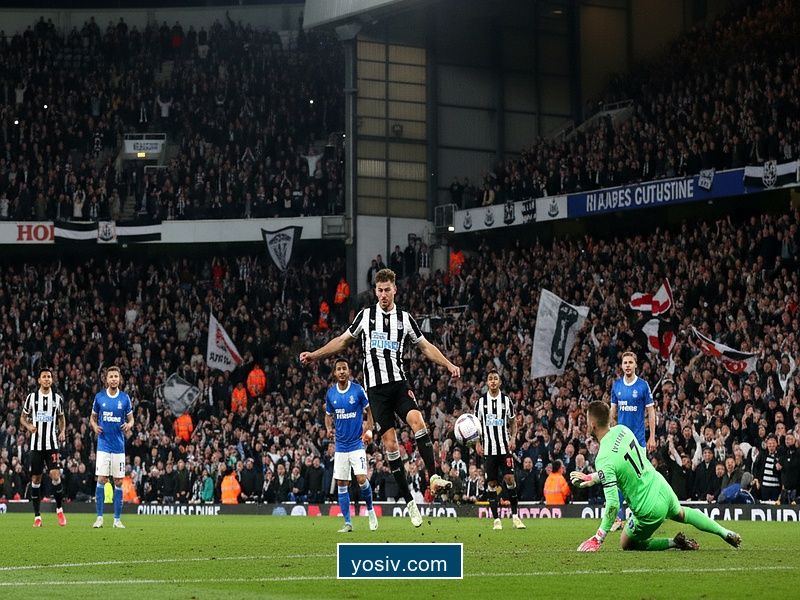
The Stat: Seven. That is the number of points Newcastle United have dropped from winning positions in the final fifteen minutes of competitive fixtures this season. It is a metric that separates the elite from the aspirants, the contenders from the participants. When the final whistle blew against Bayer Leverkusen, the scoreboard read a draw, but the data screams a loss of control that is becoming worryingly characteristic of Eddie Howe’s high-octane machine.
To understand what happened at St James' Park, we have to look beyond the narrative of "bad luck" or "immense spirit." While the spirit was undeniable—fighting back against the German champions is no small feat—the method of the collapse was predictable. It was a failure of game management, but more specifically, it was a failure of energy distribution within a rigid 4-3-3 system that demands 100% intensity for 90 minutes, even when the human body can only provide it for 80.
The Anatomy of the 89th Minute Collapse
Why does this keep happening? The answer lies in the pressing triggers. For seventy minutes, Newcastle’s press was suffocating. They forced Leverkusen into wide areas, trapping them against the touchline. This is the hallmark of Howe’s philosophy: engage high, force the turnover, and transition vertically at speed.
However, against a side as technically proficient as Xabi Alonso’s Leverkusen, the press is a double-edged sword. Once the physical levels drop, the "compactness" of the unit disintegrates. When the front three are half a second late to the press, the midfield three are forced to cover vast amounts of grass to plug the gaps.
"You have to stand up and be counted. We worked so hard to get back into the game, but at this level, if you switch off for a singular moment, the punishment is instant."
The late goal wasn't a moment of individual brilliance from Leverkusen; it was a structural exploitation. Newcastle’s midfield line had become disjointed. One player stepped up to engage, two stayed back, and suddenly the famous Leverkusen box-midfield overload found space between the lines. It is simple geometry: if you cannot compress the space, you must drop the block. Newcastle tried to do neither, getting caught in a fatal middle ground.
Xabi Alonso vs. The Chaos Engine
We must give credit to the opposition’s tactical setup. Leverkusen thrives on chaos late in games—they made a habit of it during their invincible Bundesliga run. They knew Newcastle would expend tremendous energy chasing the game. Alonso’s substitutions were surgical, introducing fresh legs in the wing-back positions to stretch Newcastle’s tired full-backs.
When Newcastle took the lead, the emotional energy in the stadium peaked, but the tactical discipline troughed. The players got caught up in the "Geordie roar," continuing to push for a third rather than consolidating possession. This is where the lack of a true regista—a tempo-setter who can put a foot on the ball and kill the game’s rhythm—hurts the Magpies. Bruno Guimarães is a world-class ball carrier and combatant, but is he the man to slow the pulse down to 60 beats per minute? The evidence suggests otherwise.
The Metric of Fatigue
If we look at the underlying numbers from the final 15 minutes of Newcastle's recent European outings, a pattern emerges that goes beyond bad luck. It is a physiological cliff edge.
- Pressures in final third: Down by 40% compared to the first half average.
- Defensive line height: Drops 8 meters deeper, inviting pressure without the compactness to handle it.
- Pass completion under pressure: Significant dip, leading to turnovers in dangerous areas.
This data suggests that the "immense spirit" mentioned in the headlines is masking a physical inability to execute the game plan for the full duration.
The Pragmatism Paradox
This brings us to the crucial question facing Eddie Howe: Can he afford to be pragmatic? The identity of this Newcastle team is built on front-foot aggression. It is what reconnected the fanbase with the club. To ask them to sit in a low block for the final ten minutes feels counter-intuitive to their DNA. Yet, in Europe, naivety is punished more severely than in the Premier League.
Against Leverkusen, the equalizer came because Newcastle were still trying to play transition football when their legs were heavy. A more cynical approach—tactical fouls, corner flag management, switching to a 5-4-1—might be labeled "anti-football" by purists, but it is the currency of champions. Real Madrid have mastered it. Manchester City have learned it. Newcastle are still in the romantic phase
The Stat: Seven. That is the number of points Newcastle United have dropped from winning positions in the final fifteen minutes of competitive fixtures this season. It is a metric that separates the elite from the aspirants, the contenders from the participants. When the final whistle blew against Bayer Leverkusen, the scoreboard read a draw, but the data screams a loss of control that is becoming worryingly characteristic of Eddie Howe’s high-octane machine.
To understand what happened at St James' Park, we have to look beyond the narrative of "bad luck" or "immense spirit." While the spirit was undeniable—fighting back against the German champions is no small feat—the method of the collapse was predictable. It was a failure of game management, but more specifically, it was a failure of energy distribution within a rigid 4-3-3 system that demands 100% intensity for 90 minutes, even when the human body can only provide it for 80.
The Anatomy of the 89th Minute Collapse
Why does this keep happening? The answer lies in the pressing triggers. For seventy minutes, Newcastle’s press was suffocating. They forced Leverkusen into wide areas, trapping them against the touchline. This is the hallmark of Howe’s philosophy: engage high, force the turnover, and transition vertically at speed.
However, against a side as technically proficient as Xabi Alonso’s Leverkusen, the press is a double-edged sword. Once the physical levels drop, the "compactness" of the unit disintegrates. When the front three are half a second late to the press, the midfield three are forced to cover vast amounts of grass to plug the gaps.
"You have to stand up and be counted. We worked so hard to get back into the game, but at this level, if you switch off for a singular moment, the punishment is instant."
The late goal wasn't a moment of individual brilliance from Leverkusen; it was a structural exploitation. Newcastle’s midfield line had become disjointed. One player stepped up to engage, two stayed back, and suddenly the famous Leverkusen box-midfield overload found space between the lines. It is simple geometry: if you cannot compress the space, you must drop the block. Newcastle tried to do neither, getting caught in a fatal middle ground.
Xabi Alonso vs. The Chaos Engine
We must give credit to the opposition’s tactical setup. Leverkusen thrives on chaos late in games—they made a habit of it during their invincible Bundesliga run. They knew Newcastle would expend tremendous energy chasing the game. Alonso’s substitutions were surgical, introducing fresh legs in the wing-back positions to stretch Newcastle’s tired full-backs.
When Newcastle took the lead, the emotional energy in the stadium peaked, but the tactical discipline troughed. The players got caught up in the "Geordie roar," continuing to push for a third rather than consolidating possession. This is where the lack of a true regista—a tempo-setter who can put a foot on the ball and kill the game’s rhythm—hurts the Magpies. Bruno Guimarães is a world-class ball carrier and combatant, but is he the man to slow the pulse down to 60 beats per minute? The evidence suggests otherwise.
The Metric of Fatigue
If we look at the underlying numbers from the final 15 minutes of Newcastle's recent European outings, a pattern emerges that goes beyond bad luck. It is a physiological cliff edge.
- Pressures in final third: Down by 40% compared to the first half average.
- Defensive line height: Drops 8 meters deeper, inviting pressure without the compactness to handle it.
- Pass completion under pressure: Significant dip, leading to turnovers in dangerous areas.
This data suggests that the "immense spirit" mentioned in the headlines is masking a physical inability to execute the game plan for the full duration.
The Pragmatism Paradox
This brings us to the crucial question facing Eddie Howe: Can he afford to be pragmatic? The identity of this Newcastle team is built on front-foot aggression. It is what reconnected the fanbase with the club. To ask them to sit in a low block for the final ten minutes feels counter-intuitive to their DNA. Yet, in Europe, naivety is punished more severely than in the Premier League.
Against Leverkusen, the equalizer came because Newcastle were still trying to play transition football when their legs were heavy. A more cynical approach—tactical fouls, corner flag management, switching to a 5-4-1—might be labeled "anti-football" by purists, but it is the currency of champions. Real Madrid have mastered it. Manchester City have learned it. Newcastle are still in the romantic phase