
The Bold Claim: Let’s cut the romanticism right at the start: The 2026 World Cup in North America is no longer about the beautiful game; it is the definitive, brutal gentrification of global football. When the ballot opened on Thursday, it didn't just signal a chance for fans to see their heroes; it signaled the moment FIFA finally decided that the "legacy fan"—the chanting, traveling, heartbeat of the sport—is a demographic they can afford to lose in favor of the high-net-worth casual observer.
We have been hearing whispers in the corridors of power for years about the "monetization gap" between American sports and global football. FIFA executives look at the Super Bowl, they look at NBA courtside seats, and they feel short-changed. This ballot, with its "record high" pricing structures, is the correction. It is a calculated aggressive move to reframe the World Cup from a cultural pilgrimage into a premium luxury product.
Sticker Shock in the Land of Opportunity
The headlines will focus on the logistics: the portal is open, register your interest, cross your fingers. But the real story is buried in the pricing tiers. We are looking at entry-level tickets that will make the eyes of a working-class supporter from Buenos Aires or Liverpool water. The North American market is conditioned to pay hundreds of dollars for nosebleed seats; the rest of the world is not.
"This isn't just inflation. This is a recalibration of the customer base. FIFA is betting that for every traditional ultra priced out, there are two corporate clients ready to take their place."
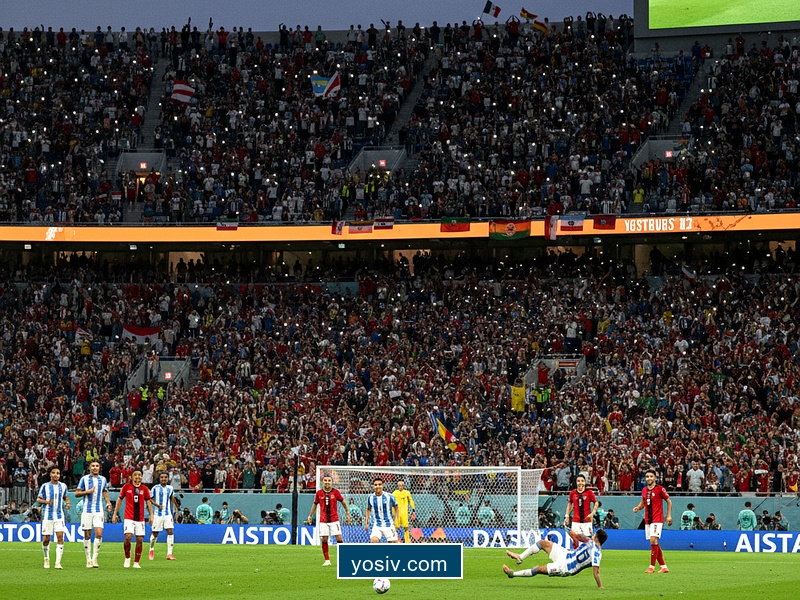
This dynamic creates a fascinating, if worrying, friction. The atmosphere of a World Cup is reliant on the tribalism of the nations competing. If you price out the die-hards, you risk sterilizing the stadium environment. We saw glimpses of this in Qatar, where certain blocks were filled with "fans" who seemed more interested in the air conditioning than the pressing traps. In 2026, with games hosted in NFL stadiums designed for maximizing revenue per seat, the risk of the "prawn sandwich" brigade taking over entire venues is higher than ever.
The Logistics of Exclusion
Beyond the face value of the ticket, we need to talk about the total cost of attendance. This tournament is spread across a continent. We are talking about flights between Vancouver, Mexico City, and Miami. The sheer scale of the operation is a logistical nightmare for the average supporter, but a goldmine for travel agencies and hospitality partners.
The Hidden Costs of 2026
- Dynamic Accommodation Pricing: Hotels in host cities are already adjusting algorithms to triple rates during match weeks.
- Transcontinental Travel: Following a team through the group stages could require thousands of miles of air travel, unlike the compact nature of Qatar or even Germany.
- The Visa Hurdle: For fans from the Global South, the administrative cost and difficulty of entering the US remains a massive, often unspoken barrier.
Inside the industry, the chatter is that this World Cup will be the most profitable event in human history. But profitable for whom? The local economies will see a boost, certainly, but the real extraction of wealth is going straight to Zurich. The ballot system, while technically fair in its randomness, is the gateway to an experience that is becoming increasingly exclusionary.
A Tectonic Shift in Fan Culture
What does this mean for the future? We are witnessing a stress test for the sport's soul. If 2026 sells out instantly at these record prices—and make no mistake, it will—it validates the strategy. It proves that football has transcended its working-class roots to become purely entertainment content, indistinguishable from a Taylor Swift tour or a Formula 1 weekend.
The expansion to 48 teams plays into this. More games mean more inventory. More inventory means more ballot slots. More slots mean more data harvesting. When you register for this ballot, you aren't just trying to buy a seat; you are entering a marketing ecosystem that will target you for merchandise, travel packages, and credit card offers for the next two years.
The Locker Room Perspective
Do the players care? Privately, yes. Ask any elite player off the record, and they will tell you they feed off the energy of the crowd. A stadium filled with corporate invitees who spend half the match networking in the hospitality suite creates a dead atmosphere. It changes the rhythm of the game. The "12th man" becomes a myth when the seats are occupied by tourists rather than believers.
The 2026 World Cup will be a spectacle of immense proportions. The production value will be Hollywood-tier. The stadiums will be architectural marvels. But as the ballot opens and the credit cards are readied, we have to ask ourselves: are we watching the pinnacle of sport, or the final victory of commerce over culture? The ballot is open, but the verdict is already in.
The Bold Claim: Let’s cut the romanticism right at the start: The 2026 World Cup in North America is no longer about the beautiful game; it is the definitive, brutal gentrification of global football. When the ballot opened on Thursday, it didn't just signal a chance for fans to see their heroes; it signaled the moment FIFA finally decided that the "legacy fan"—the chanting, traveling, heartbeat of the sport—is a demographic they can afford to lose in favor of the high-net-worth casual observer.
We have been hearing whispers in the corridors of power for years about the "monetization gap" between American sports and global football. FIFA executives look at the Super Bowl, they look at NBA courtside seats, and they feel short-changed. This ballot, with its "record high" pricing structures, is the correction. It is a calculated aggressive move to reframe the World Cup from a cultural pilgrimage into a premium luxury product.
Sticker Shock in the Land of Opportunity
The headlines will focus on the logistics: the portal is open, register your interest, cross your fingers. But the real story is buried in the pricing tiers. We are looking at entry-level tickets that will make the eyes of a working-class supporter from Buenos Aires or Liverpool water. The North American market is conditioned to pay hundreds of dollars for nosebleed seats; the rest of the world is not.
"This isn't just inflation. This is a recalibration of the customer base. FIFA is betting that for every traditional ultra priced out, there are two corporate clients ready to take their place."
This dynamic creates a fascinating, if worrying, friction. The atmosphere of a World Cup is reliant on the tribalism of the nations competing. If you price out the die-hards, you risk sterilizing the stadium environment. We saw glimpses of this in Qatar, where certain blocks were filled with "fans" who seemed more interested in the air conditioning than the pressing traps. In 2026, with games hosted in NFL stadiums designed for maximizing revenue per seat, the risk of the "prawn sandwich" brigade taking over entire venues is higher than ever.
The Logistics of Exclusion
Beyond the face value of the ticket, we need to talk about the total cost of attendance. This tournament is spread across a continent. We are talking about flights between Vancouver, Mexico City, and Miami. The sheer scale of the operation is a logistical nightmare for the average supporter, but a goldmine for travel agencies and hospitality partners.
The Hidden Costs of 2026
- Dynamic Accommodation Pricing: Hotels in host cities are already adjusting algorithms to triple rates during match weeks.
- Transcontinental Travel: Following a team through the group stages could require thousands of miles of air travel, unlike the compact nature of Qatar or even Germany.
- The Visa Hurdle: For fans from the Global South, the administrative cost and difficulty of entering the US remains a massive, often unspoken barrier.
Inside the industry, the chatter is that this World Cup will be the most profitable event in human history. But profitable for whom? The local economies will see a boost, certainly, but the real extraction of wealth is going straight to Zurich. The ballot system, while technically fair in its randomness, is the gateway to an experience that is becoming increasingly exclusionary.
A Tectonic Shift in Fan Culture
What does this mean for the future? We are witnessing a stress test for the sport's soul. If 2026 sells out instantly at these record prices—and make no mistake, it will—it validates the strategy. It proves that football has transcended its working-class roots to become purely entertainment content, indistinguishable from a Taylor Swift tour or a Formula 1 weekend.
The expansion to 48 teams plays into this. More games mean more inventory. More inventory means more ballot slots. More slots mean more data harvesting. When you register for this ballot, you aren't just trying to buy a seat; you are entering a marketing ecosystem that will target you for merchandise, travel packages, and credit card offers for the next two years.
The Locker Room Perspective
Do the players care? Privately, yes. Ask any elite player off the record, and they will tell you they feed off the energy of the crowd. A stadium filled with corporate invitees who spend half the match networking in the hospitality suite creates a dead atmosphere. It changes the rhythm of the game. The "12th man" becomes a myth when the seats are occupied by tourists rather than believers.
The 2026 World Cup will be a spectacle of immense proportions. The production value will be Hollywood-tier. The stadiums will be architectural marvels. But as the ballot opens and the credit cards are readied, we have to ask ourselves: are we watching the pinnacle of sport, or the final victory of commerce over culture? The ballot is open, but the verdict is already in.