
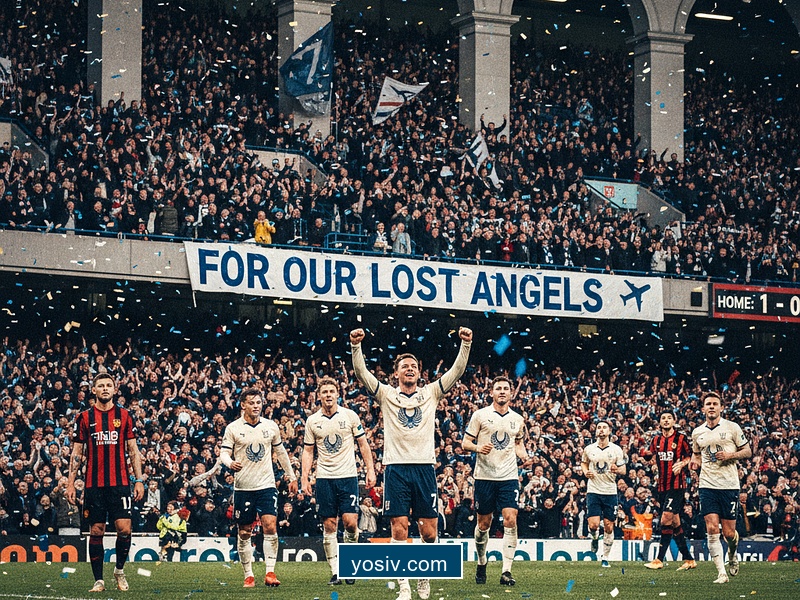
Stoppila Sunzu placed the ball on the spot, and for a fleeting second, the humidity of the Gabonese night seemed to freeze entirely. The whistle hadn't just blown to signal a penalty; it had signaled the culmination of a psychological warfare campaign nineteen years in the making. Ten miles away, off the coast where the Atlantic meets the shore, the wreckage of a DHC-5 Buffalo transport plane lay submerged—a grim marker of where Zambia’s soul had been ripped away in 1993. But here, inside the Stade de l'Amitié, the noise wasn't about mourning anymore. It was about the kill.
When Sunzu converted that spot-kick to down the Ivory Coast 8-7 on penalties, it didn’t just register as a shock win. It was a complete dismantling of the established footballing hierarchy. From an insider's perspective, looking past the romance of the narrative, this was a systemic failure of a "Golden Generation" and a masterclass in psychological management by Hervé Renard. The Chipolopolo didn't just win a cup; they exposed the fragility of superstar squads when faced with a team playing for something money cannot buy.
The Renard Effect: Weaponizing Tragedy
Let’s cut through the noise. Managers often talk about "motivation," but what Renard did in Gabon was bordering on spiritual manipulation—and I mean that as a compliment to his ruthlessness. Most coaches would have shielded their players from the site where 18 of their predecessors perished. They would have called it a distraction. Renard did the opposite.
He marched them to the beach. He made them look at the water. By doing so, he took the pressure of a final against Didier Drogba and Yaya Touré—players on Premier League wages that dwarfed the entire Zambian federation's budget—and rendered it irrelevant. When you are playing for the dead, the fear of losing a football match evaporates. Renard knew that tactically, he couldn't match the Ivorians man-for-man. So, he changed the currency of the game from skill to destiny.
"The signs of destiny are written in the stars, but they are forged in the locker room. Renard convinced a group of journeymen that they were avenging angels, not footballers."
The Bankruptcy of the 'Golden Generation'
Look at the Ivory Coast team sheet from that night. It reads like a fantasy draft. Drogba, the Touré brothers, Kalou, Gervinho. In terms of market value, the disparity was grotesque. We are talking about hundreds of millions of pounds in valuation versus a squad largely assembled from the South African PSL, the Congolese league, and the lower tiers of Europe.
But here is the uncomfortable truth that agents and scouts discuss in hushed tones in VIP boxes: The "Golden Generation" tag is often a curse. The Ivorians played with the heaviness of expectation. They were disjointed, relying on moments of individual brilliance that never came. When Drogba skied that penalty in regular time, you could see the air leave the balloon. It wasn't just a miss; it was an abdication of leadership. The Elephants were paralyzed by the fear of failure, while Zambia played with the freedom of men who had already accepted their fate.
By The Numbers: The Market Failure
- Ivory Coast Squad Value (Est. 2012): £150m+ (Driven by Man City and Chelsea contracts).
- Zambia Squad Value (Est. 2012): Less than £10m combined.
- Key Stat: Zambia kept a clean sheet against the highest-scoring attack in the tournament.
Tactical Discipline Over Star Power
It is lazy analysis to say Zambia won on "heart." They won on structure. Kennedy Mweene, the goalkeeper, wasn't just making saves; he was organizing a backline that had to contain world-class movement. The tactical instruction was clear: deny Yaya Touré the space to drive through the middle and force the ball wide where Zambia could double up.
Watch the game back. Zambia didn't park the bus. They pressed. They engaged high up the pitch, disrupting the Ivorian rhythm before it could settle. Christopher Katongo was immense, not just as a captain but as a tactical pivot, dropping deep to link play and frustrating the Ivorian defensive midfielders. This was a coaching victory. Renard out-thought François Zahoui, proving that a cohesive unit with a clear plan will almost always dismantle a collection of individuals expecting to win on reputation alone.
The Legacy and The Market Shift
So, what does this mean for the future? For one, it shattered the myth that you need a squad of European-based elites to win AFCON. It forced scouts to look deeper into the African leagues. Players like Sunzu and Mayuka suddenly found their stock rising, not because of hype, but because they proved they could handle the highest pressure cooker imaginable.
But the deeper implication is for the Federations. The Zambian model—keep the coach, build a core, trust the process despite tragedy—stands in stark contrast to the revolving door of managers seen in Nigeria or Cameroon. Kalusha Bwalya, the man who missed that flight in 1993 and became the FA president, built this victory brick by brick. He understood that you cannot buy culture; you have to bleed for it.
As the dust settles in Libreville, the market will correct itself. The value of "team cohesion" just went up, and the premium on "star power" took a hit. Zambia didn't just close a chapter on a national tragedy; they rewrote the manual on how to win against the odds. The ghosts of 1993 can finally rest, but the tremors of this upset will be felt in boardrooms and locker rooms for years to come.
Stoppila Sunzu placed the ball on the spot, and for a fleeting second, the humidity of the Gabonese night seemed to freeze entirely. The whistle hadn't just blown to signal a penalty; it had signaled the culmination of a psychological warfare campaign nineteen years in the making. Ten miles away, off the coast where the Atlantic meets the shore, the wreckage of a DHC-5 Buffalo transport plane lay submerged—a grim marker of where Zambia’s soul had been ripped away in 1993. But here, inside the Stade de l'Amitié, the noise wasn't about mourning anymore. It was about the kill.
When Sunzu converted that spot-kick to down the Ivory Coast 8-7 on penalties, it didn’t just register as a shock win. It was a complete dismantling of the established footballing hierarchy. From an insider's perspective, looking past the romance of the narrative, this was a systemic failure of a "Golden Generation" and a masterclass in psychological management by Hervé Renard. The Chipolopolo didn't just win a cup; they exposed the fragility of superstar squads when faced with a team playing for something money cannot buy.
The Renard Effect: Weaponizing Tragedy
Let’s cut through the noise. Managers often talk about "motivation," but what Renard did in Gabon was bordering on spiritual manipulation—and I mean that as a compliment to his ruthlessness. Most coaches would have shielded their players from the site where 18 of their predecessors perished. They would have called it a distraction. Renard did the opposite.
He marched them to the beach. He made them look at the water. By doing so, he took the pressure of a final against Didier Drogba and Yaya Touré—players on Premier League wages that dwarfed the entire Zambian federation's budget—and rendered it irrelevant. When you are playing for the dead, the fear of losing a football match evaporates. Renard knew that tactically, he couldn't match the Ivorians man-for-man. So, he changed the currency of the game from skill to destiny.
"The signs of destiny are written in the stars, but they are forged in the locker room. Renard convinced a group of journeymen that they were avenging angels, not footballers."
The Bankruptcy of the 'Golden Generation'
Look at the Ivory Coast team sheet from that night. It reads like a fantasy draft. Drogba, the Touré brothers, Kalou, Gervinho. In terms of market value, the disparity was grotesque. We are talking about hundreds of millions of pounds in valuation versus a squad largely assembled from the South African PSL, the Congolese league, and the lower tiers of Europe.
But here is the uncomfortable truth that agents and scouts discuss in hushed tones in VIP boxes: The "Golden Generation" tag is often a curse. The Ivorians played with the heaviness of expectation. They were disjointed, relying on moments of individual brilliance that never came. When Drogba skied that penalty in regular time, you could see the air leave the balloon. It wasn't just a miss; it was an abdication of leadership. The Elephants were paralyzed by the fear of failure, while Zambia played with the freedom of men who had already accepted their fate.
By The Numbers: The Market Failure
- Ivory Coast Squad Value (Est. 2012): £150m+ (Driven by Man City and Chelsea contracts).
- Zambia Squad Value (Est. 2012): Less than £10m combined.
- Key Stat: Zambia kept a clean sheet against the highest-scoring attack in the tournament.
Tactical Discipline Over Star Power
It is lazy analysis to say Zambia won on "heart." They won on structure. Kennedy Mweene, the goalkeeper, wasn't just making saves; he was organizing a backline that had to contain world-class movement. The tactical instruction was clear: deny Yaya Touré the space to drive through the middle and force the ball wide where Zambia could double up.
Watch the game back. Zambia didn't park the bus. They pressed. They engaged high up the pitch, disrupting the Ivorian rhythm before it could settle. Christopher Katongo was immense, not just as a captain but as a tactical pivot, dropping deep to link play and frustrating the Ivorian defensive midfielders. This was a coaching victory. Renard out-thought François Zahoui, proving that a cohesive unit with a clear plan will almost always dismantle a collection of individuals expecting to win on reputation alone.
The Legacy and The Market Shift
So, what does this mean for the future? For one, it shattered the myth that you need a squad of European-based elites to win AFCON. It forced scouts to look deeper into the African leagues. Players like Sunzu and Mayuka suddenly found their stock rising, not because of hype, but because they proved they could handle the highest pressure cooker imaginable.
But the deeper implication is for the Federations. The Zambian model—keep the coach, build a core, trust the process despite tragedy—stands in stark contrast to the revolving door of managers seen in Nigeria or Cameroon. Kalusha Bwalya, the man who missed that flight in 1993 and became the FA president, built this victory brick by brick. He understood that you cannot buy culture; you have to bleed for it.
As the dust settles in Libreville, the market will correct itself. The value of "team cohesion" just went up, and the premium on "star power" took a hit. Zambia didn't just close a chapter on a national tragedy; they rewrote the manual on how to win against the odds. The ghosts of 1993 can finally rest, but the tremors of this upset will be felt in boardrooms and locker rooms for years to come.