
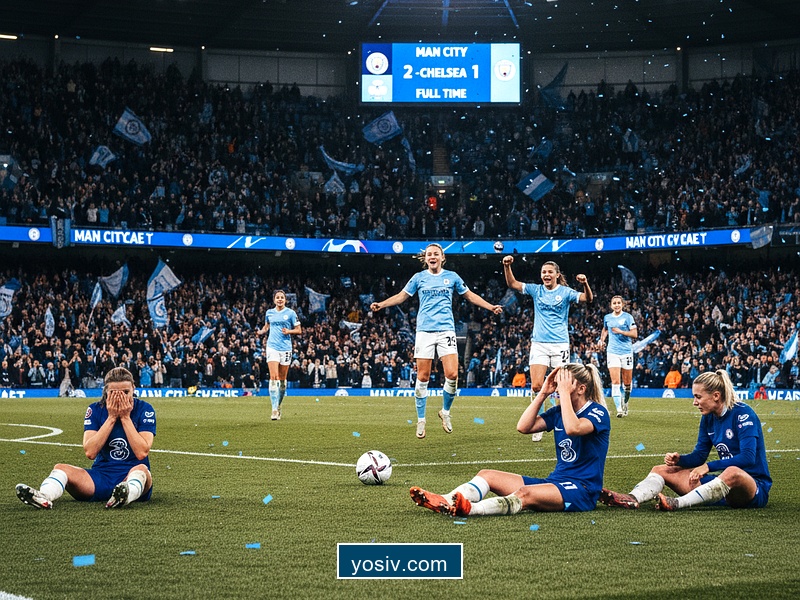
In football analytics, there is a metric often discussed but rarely quantified: the measure of "suffocation." It is what happens when a superior team pins an opponent into their own defensive third, denying them oxygen, passing lanes, and hope. Manchester City’s 3-0 victory over Leicester City on Sunday was the physical embodiment of this metric. While the scoreline suggests a routine day at the office, the tactical undercurrents reveal a significant evolution in Gareth Taylor’s side—a shift that separates pretenders from genuine title contenders.
For years, the criticism labeled at Manchester City was fragile psychology. When faced with adversity or a disruption to their intricate passing patterns, the machine would sputter. We saw this last December when injuries and surprise defeats derailed their momentum. However, this weekend offered a stark contrast. Faced with a stubborn, resolute Leicester side deployed in a deep block, City did not panic. They did not force vertical passes into non-existent spaces. They waited. They probed. They executed.
The Anatomy of Breaking the Low Block
Leicester City arrived with a clear directive: deny space centrally. Utilizing a back five is the standard antidote to City’s possession-heavy style. The objective is to crowd the "Zone 14" (the area just outside the penalty box) and force the opposition wide, hoping their crosses are dealt with by three central defenders.
Historically, City struggled here. Frustration would set in, leading to speculative long shots or high-risk passes that resulted in dangerous turnovers. This time, the tactical discipline was absolute. The stats show a team comfortable with the ball, but the eye test showed a team comfortable with *time*. By circulating the ball horizontally with speed, City forced the Leicester defensive block to shift side-to-side repeatedly. This lateral movement is physically exhausting for defenders, inevitably leading to concentration lapses.
"I’m very proud and pleased with the patience the players are showing, the trust, the belief. They are not starting to yell at each other, they just keep believing in each other and believing in what we are doing." — Andrée Jeglertz
Jeglertz’s observation is critical. The absence of "yelling" indicates tactical clarity. When players understand the system, they don't need to berate teammates for missed opportunities; they know another chance is a statistical inevitability if they stick to the process. This composure—finding a way to win a game that easily could have ended in a frustrating 0-0 stalemate—is the hallmark of champions. It mirrors the relentless efficiency we see in Emma Hayes’ Chelsea or, in the men's game, Guardiola’s Manchester City.
The Data: Quantifying Resilience
To understand the magnitude of this shift, we must look at the numbers. A ninth straight win isn't just good form; it's a statistical anomaly in a league that is becoming increasingly competitive. The table below highlights the disparity in efficiency between City's current run and the league average against bottom-half opposition.
| Metric | Man City (Last 5 Games) | WSL Top 4 Avg | Analysis |
|---|---|---|---|
| Possession % | 68.4% | 59.2% | Total control of tempo. |
| xG Conceded | 0.45 | 0.92 | Elite rest defense structure. |
| Goals from Open Play | 12 | 8 | Efficiency in breaking blocks. |
| Points Dropped (Dec) | 0 | 2.5 | Mental fortitude improved. |
The "xG Conceded" figure is particularly telling. It proves that City isn't just attacking well; their "Rest Defense"—the positioning of defenders while the team is in possession—is nearly flawless. They are extinguishing counter-attacks before they begin, removing the one weapon teams like Leicester rely upon.
The Ripple Effect: Tottenham, Liverpool, and the Market
While City solidifies their title credentials, the tectonic plates of the WSL are shifting elsewhere. The news that Chelsea’s historic unbeaten run has ended is the oxygen the chasing pack needed. Suddenly, the league feels permeable.
The Spurs Threat
Tottenham Hotspur eyeing a Champions League spot is no longer a delusional ambition; it is a statistically viable target. Their tactical profile has evolved from a reactive low-block team to a side capable of imposing their will in transition. If City represents the pinnacle of possession, Spurs represent the danger of verticality. Their potential entry into the European elite disrupts the traditional "Big Three" hegemony (Chelsea, Arsenal, City) that has governed the WSL for years.
Liverpool's Chequebook
Then there is Liverpool. The report that they are looking to "splash the cash" is an admission that tactical coaching alone has a ceiling. Matt Beard has performed miracles with the current squad, organizing them into a unit that is difficult to beat. However, to bridge the gap from "tough mid-table side" to "top four contender," you need individual brilliance—players who can unlock a defense with a single touch, much like Khadija Shaw or Lauren Hemp do for City. Liverpool’s entry into the high-end transfer market signals an intent to buy the creativity they currently lack.
Fan Pulse: From Anxiety to Arrogance
The mood within the Academy Stadium has undergone a palpable transformation. Browse the forums or listen to the chants, and you notice the anxiety has dissipated. For years, City fans watched games through their fingers, expecting the calamitous defensive error or the inexplicable dropped points against relegation fodder.
That fear has been replaced by a quiet, brooding confidence. The supporters recognize the tactical solidity. They see a team that is unified, where the body language remains positive even when the score is 0-0 in the 60th minute. This "breathing space" created by Chelsea’s slip-up hasn't just impacted the league table; it has relaxed the shoulders of every supporter in sky blue. They believe, perhaps for the first time in seasons, that the team is robust enough to go the distance.
The WSL title race is far from over, but the narrative has changed. It is no longer about who can catch Chelsea. It is about whether anyone can stop this evolved, resilient, and tactically disciplined Manchester City.
In football analytics, there is a metric often discussed but rarely quantified: the measure of "suffocation." It is what happens when a superior team pins an opponent into their own defensive third, denying them oxygen, passing lanes, and hope. Manchester City’s 3-0 victory over Leicester City on Sunday was the physical embodiment of this metric. While the scoreline suggests a routine day at the office, the tactical undercurrents reveal a significant evolution in Gareth Taylor’s side—a shift that separates pretenders from genuine title contenders.
For years, the criticism labeled at Manchester City was fragile psychology. When faced with adversity or a disruption to their intricate passing patterns, the machine would sputter. We saw this last December when injuries and surprise defeats derailed their momentum. However, this weekend offered a stark contrast. Faced with a stubborn, resolute Leicester side deployed in a deep block, City did not panic. They did not force vertical passes into non-existent spaces. They waited. They probed. They executed.
The Anatomy of Breaking the Low Block
Leicester City arrived with a clear directive: deny space centrally. Utilizing a back five is the standard antidote to City’s possession-heavy style. The objective is to crowd the "Zone 14" (the area just outside the penalty box) and force the opposition wide, hoping their crosses are dealt with by three central defenders.
Historically, City struggled here. Frustration would set in, leading to speculative long shots or high-risk passes that resulted in dangerous turnovers. This time, the tactical discipline was absolute. The stats show a team comfortable with the ball, but the eye test showed a team comfortable with *time*. By circulating the ball horizontally with speed, City forced the Leicester defensive block to shift side-to-side repeatedly. This lateral movement is physically exhausting for defenders, inevitably leading to concentration lapses.
"I’m very proud and pleased with the patience the players are showing, the trust, the belief. They are not starting to yell at each other, they just keep believing in each other and believing in what we are doing." — Andrée Jeglertz
Jeglertz’s observation is critical. The absence of "yelling" indicates tactical clarity. When players understand the system, they don't need to berate teammates for missed opportunities; they know another chance is a statistical inevitability if they stick to the process. This composure—finding a way to win a game that easily could have ended in a frustrating 0-0 stalemate—is the hallmark of champions. It mirrors the relentless efficiency we see in Emma Hayes’ Chelsea or, in the men's game, Guardiola’s Manchester City.
The Data: Quantifying Resilience
To understand the magnitude of this shift, we must look at the numbers. A ninth straight win isn't just good form; it's a statistical anomaly in a league that is becoming increasingly competitive. The table below highlights the disparity in efficiency between City's current run and the league average against bottom-half opposition.
| Metric | Man City (Last 5 Games) | WSL Top 4 Avg | Analysis |
|---|---|---|---|
| Possession % | 68.4% | 59.2% | Total control of tempo. |
| xG Conceded | 0.45 | 0.92 | Elite rest defense structure. |
| Goals from Open Play | 12 | 8 | Efficiency in breaking blocks. |
| Points Dropped (Dec) | 0 | 2.5 | Mental fortitude improved. |
The "xG Conceded" figure is particularly telling. It proves that City isn't just attacking well; their "Rest Defense"—the positioning of defenders while the team is in possession—is nearly flawless. They are extinguishing counter-attacks before they begin, removing the one weapon teams like Leicester rely upon.
The Ripple Effect: Tottenham, Liverpool, and the Market
While City solidifies their title credentials, the tectonic plates of the WSL are shifting elsewhere. The news that Chelsea’s historic unbeaten run has ended is the oxygen the chasing pack needed. Suddenly, the league feels permeable.
The Spurs Threat
Tottenham Hotspur eyeing a Champions League spot is no longer a delusional ambition; it is a statistically viable target. Their tactical profile has evolved from a reactive low-block team to a side capable of imposing their will in transition. If City represents the pinnacle of possession, Spurs represent the danger of verticality. Their potential entry into the European elite disrupts the traditional "Big Three" hegemony (Chelsea, Arsenal, City) that has governed the WSL for years.
Liverpool's Chequebook
Then there is Liverpool. The report that they are looking to "splash the cash" is an admission that tactical coaching alone has a ceiling. Matt Beard has performed miracles with the current squad, organizing them into a unit that is difficult to beat. However, to bridge the gap from "tough mid-table side" to "top four contender," you need individual brilliance—players who can unlock a defense with a single touch, much like Khadija Shaw or Lauren Hemp do for City. Liverpool’s entry into the high-end transfer market signals an intent to buy the creativity they currently lack.
Fan Pulse: From Anxiety to Arrogance
The mood within the Academy Stadium has undergone a palpable transformation. Browse the forums or listen to the chants, and you notice the anxiety has dissipated. For years, City fans watched games through their fingers, expecting the calamitous defensive error or the inexplicable dropped points against relegation fodder.
That fear has been replaced by a quiet, brooding confidence. The supporters recognize the tactical solidity. They see a team that is unified, where the body language remains positive even when the score is 0-0 in the 60th minute. This "breathing space" created by Chelsea’s slip-up hasn't just impacted the league table; it has relaxed the shoulders of every supporter in sky blue. They believe, perhaps for the first time in seasons, that the team is robust enough to go the distance.
The WSL title race is far from over, but the narrative has changed. It is no longer about who can catch Chelsea. It is about whether anyone can stop this evolved, resilient, and tactically disciplined Manchester City.