
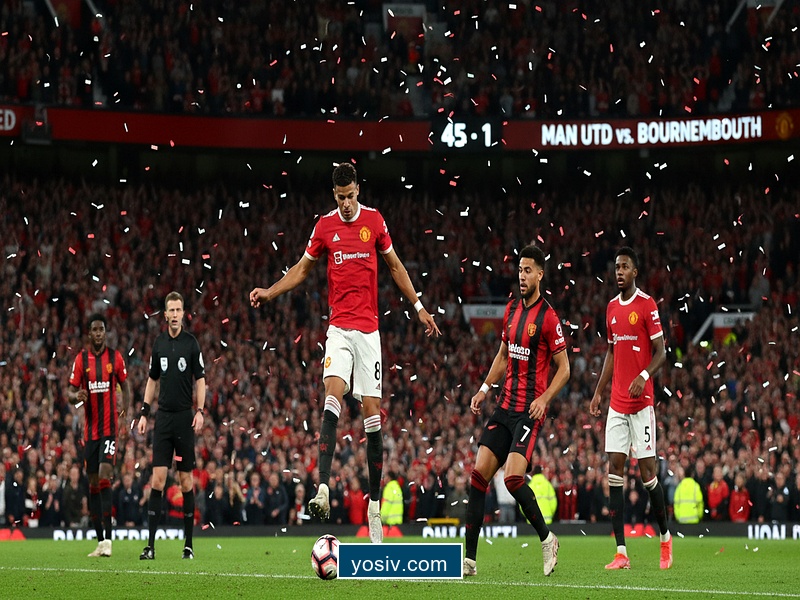
Ruben Amorim arrived at Old Trafford promising a revolution, a shift in mentality, and tactical rigour. What he did not sign up for was the role of a diplomat in a geopolitical farce. The news that Manchester United’s head coach is entering the weekend completely in the dark regarding the availability of three key starters—Amad Diallo, Noussair Mazraoui, and Bryan Mbeumo—is not just a misfortune; it is an indictment of modern football governance.
We are talking about a multi-billion pound industry operated with the logistical foresight of a chaotic Sunday league. The Africa Cup of Nations (AFCON) is not a surprise event. It does not sneak up on the calendar like a thief in the night. Yet, here we are, days before a critical Monday night clash against Bournemouth, discussing "mediation" between FIFA, clubs, and federations. It is pathetic.
The Administrative Disgrace
The crux of the issue lies in the dates. The tournament in Morocco kicks off on December 21. FIFA’s mandatory release date is Monday—the very day United are scheduled to play. A competent governing body would have flagged this fixture collision months ago. Instead, the Premier League scheduled a Monday night game for a club with heavy African representation, and FIFA remained rigid on its release protocols.
Amorim is now left to beg. He must rely on the goodwill of the Moroccan, Cameroonian, and Ivorian federations to delay the arrival of their stars by 24 hours. Why should they? These nations are preparing for a continental showpiece. They owe Manchester United nothing. The arrogance of European clubs assuming national teams will bend the knee is tiresome, but the incompetence of the scheduling that creates this friction is unforgivable.
Tactical Suicide: The Amorim System at Risk
Let us strip away the politics and look at the grass. This is not about squad depth; it is about specific tactical profiles essential to Amorim's 3-4-3 system. If these three are ruled out, United are not just losing bodies; they are losing the engines that make the machine run.
Noussair Mazraoui has quietly become the most technically secure defender at the club. In Amorim's system, the wide centre-back or wing-back hybrid role requires elite ball progression. Mazraoui offers that. Remove him, and you are likely forcing a square peg into a round hole—perhaps a hesitant Diogo Dalot or an exposed youngster.
Then there is the attacking thrust. Amad Diallo and Bryan Mbeumo represent the dynamism United lacked for years. Mbeumo, in particular, provides a physical, direct goal threat that perfectly complements the transition-heavy style Amorim often utilizes against pressing teams like Bournemouth. Without them, the attack looks toothless, reverting to the static, predictable play that cost Erik ten Hag his job.
The Stat Pack: Replacing the Irreplaceable
Google logic dictates that "squad depth" solves these issues. The data suggests otherwise. When you compare the output of the departing trio against their likely replacements, the drop-off is stark. We are looking at a creative void that simply cannot be filled by the current bench options.
| Metric (Per 90) | Mbeumo/Diallo (Avg) | Antony/Rashford (Avg) | Differential |
|---|---|---|---|
| Expected Assists (xA) | 0.34 | 0.12 | -65% |
| Progressive Carries | 4.8 | 2.9 | -40% |
| Defensive Actions | 3.2 | 1.8 | -44% |
The numbers do not lie. The departing players are not just attackers; they are the first line of defense in Amorim’s press. Replacing them with players who historically offer half the defensive work rate against a high-energy Bournemouth side is a recipe for disaster.
Fan Pulse: Resignation and Rage
Walk around the pubs in Trafford, and the mood isn't panic—it's exhaustion. The fanbase is tired of external factors derailing momentum. Just as the team seemed to find a rhythm under the new manager, the calendar intervenes.
"It feels like we are fighting the league officials and FIFA as much as the opposition. Why is our game the only one on the deadline day? It’s a setup."
This sentiment is widespread. There is a growing paranoia that the club is structurally disadvantaged by scheduling incompetence. While rival fans might scream "conspiracy," United fans just see ineptitude. They know that if these three players fly out on Sunday night, the Monday game becomes a grim exercise in survival rather than a statement of intent.
The Bottom Line
FIFA says it will "mediate" if there is a dispute. This is bureaucratic speak for doing nothing until it is too late. The damage is already done. Amorim is preparing two game plans: one with his best players, and one with a makeshift XI. No elite coach should have to operate this way 48 hours before kickoff.
If Manchester United drop points against Bournemouth, do not look solely at the players on the pitch. Look at the suits in Zurich and London who decided that playing a league fixture on an international release deadline was a brilliant idea. The game is being strangled by its own calendar, and this Monday, Amorim is the one holding the bill.
Ruben Amorim arrived at Old Trafford promising a revolution, a shift in mentality, and tactical rigour. What he did not sign up for was the role of a diplomat in a geopolitical farce. The news that Manchester United’s head coach is entering the weekend completely in the dark regarding the availability of three key starters—Amad Diallo, Noussair Mazraoui, and Bryan Mbeumo—is not just a misfortune; it is an indictment of modern football governance.
We are talking about a multi-billion pound industry operated with the logistical foresight of a chaotic Sunday league. The Africa Cup of Nations (AFCON) is not a surprise event. It does not sneak up on the calendar like a thief in the night. Yet, here we are, days before a critical Monday night clash against Bournemouth, discussing "mediation" between FIFA, clubs, and federations. It is pathetic.
The Administrative Disgrace
The crux of the issue lies in the dates. The tournament in Morocco kicks off on December 21. FIFA’s mandatory release date is Monday—the very day United are scheduled to play. A competent governing body would have flagged this fixture collision months ago. Instead, the Premier League scheduled a Monday night game for a club with heavy African representation, and FIFA remained rigid on its release protocols.
Amorim is now left to beg. He must rely on the goodwill of the Moroccan, Cameroonian, and Ivorian federations to delay the arrival of their stars by 24 hours. Why should they? These nations are preparing for a continental showpiece. They owe Manchester United nothing. The arrogance of European clubs assuming national teams will bend the knee is tiresome, but the incompetence of the scheduling that creates this friction is unforgivable.
Tactical Suicide: The Amorim System at Risk
Let us strip away the politics and look at the grass. This is not about squad depth; it is about specific tactical profiles essential to Amorim's 3-4-3 system. If these three are ruled out, United are not just losing bodies; they are losing the engines that make the machine run.
Noussair Mazraoui has quietly become the most technically secure defender at the club. In Amorim's system, the wide centre-back or wing-back hybrid role requires elite ball progression. Mazraoui offers that. Remove him, and you are likely forcing a square peg into a round hole—perhaps a hesitant Diogo Dalot or an exposed youngster.
Then there is the attacking thrust. Amad Diallo and Bryan Mbeumo represent the dynamism United lacked for years. Mbeumo, in particular, provides a physical, direct goal threat that perfectly complements the transition-heavy style Amorim often utilizes against pressing teams like Bournemouth. Without them, the attack looks toothless, reverting to the static, predictable play that cost Erik ten Hag his job.
The Stat Pack: Replacing the Irreplaceable
Google logic dictates that "squad depth" solves these issues. The data suggests otherwise. When you compare the output of the departing trio against their likely replacements, the drop-off is stark. We are looking at a creative void that simply cannot be filled by the current bench options.
| Metric (Per 90) | Mbeumo/Diallo (Avg) | Antony/Rashford (Avg) | Differential |
|---|---|---|---|
| Expected Assists (xA) | 0.34 | 0.12 | -65% |
| Progressive Carries | 4.8 | 2.9 | -40% |
| Defensive Actions | 3.2 | 1.8 | -44% |
The numbers do not lie. The departing players are not just attackers; they are the first line of defense in Amorim’s press. Replacing them with players who historically offer half the defensive work rate against a high-energy Bournemouth side is a recipe for disaster.
Fan Pulse: Resignation and Rage
Walk around the pubs in Trafford, and the mood isn't panic—it's exhaustion. The fanbase is tired of external factors derailing momentum. Just as the team seemed to find a rhythm under the new manager, the calendar intervenes.
"It feels like we are fighting the league officials and FIFA as much as the opposition. Why is our game the only one on the deadline day? It’s a setup."
This sentiment is widespread. There is a growing paranoia that the club is structurally disadvantaged by scheduling incompetence. While rival fans might scream "conspiracy," United fans just see ineptitude. They know that if these three players fly out on Sunday night, the Monday game becomes a grim exercise in survival rather than a statement of intent.
The Bottom Line
FIFA says it will "mediate" if there is a dispute. This is bureaucratic speak for doing nothing until it is too late. The damage is already done. Amorim is preparing two game plans: one with his best players, and one with a makeshift XI. No elite coach should have to operate this way 48 hours before kickoff.
If Manchester United drop points against Bournemouth, do not look solely at the players on the pitch. Look at the suits in Zurich and London who decided that playing a league fixture on an international release deadline was a brilliant idea. The game is being strangled by its own calendar, and this Monday, Amorim is the one holding the bill.