
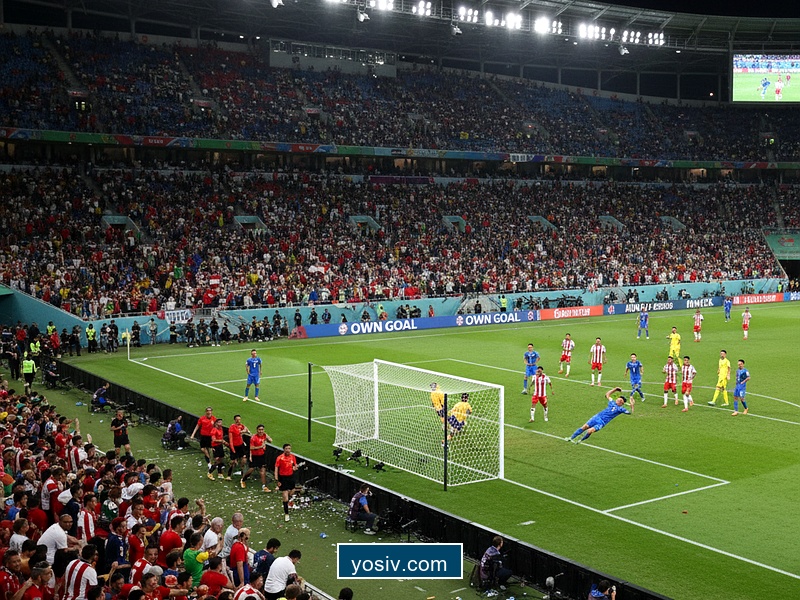
The mask slipped this week. When the world’s governing body of football hastily announced a new tier of $60 (£45) tickets for the 2026 World Cup, they wanted you to see a benevolent organization listening to its constituents. Do not be fooled. This scramble to introduce a "Category 4" pricing structure is not a gesture of goodwill; it is a desperate attempt to patch a hull breach before the ship leaves the harbor. We are standing at a precipice, looking down into a future where the beautiful game is finally, irrevocably gentrified out of existence for the common supporter. The backlash that forced this decision—spanning from furious fan groups to the British Prime Minister—is not the end of the story. It is the opening salvo of a war for the soul of the 2026 tournament.
The Economics of the Sterile Stadium
Let us look forward to the summer of 2026 across the United States, Mexico, and Canada. The introduction of a limited number of $60 tickets is a classic bait-and-switch operation. While the headlines focus on the concession, the reality lurking beneath is an aggressive pricing strategy designed to curate a specific type of crowd. By pricing the vast majority of seats at a premium, FIFA is actively engineering the demographic of the stadium.
The consequences of this will be audible on television. The traditional "legacy fan"—the one who sings for ninety minutes, travels on a shoestring budget, and creates the atmosphere that FIFA markets in its glossy promos—is being priced out. They are being replaced by the "event consumer." This shift guarantees that the 2026 World Cup will feel less like a fervent sporting contest and more like the Super Bowl: a high-gloss, low-passion corporate mixer where the crowd noise is piped in because the attendees are too busy networking to cheer.
"This isn't just inflation; it is a filtration system. FIFA is filtering out passion to make room for profit, creating a vacuum where the culture used to be."
The "fan fury" reported by the likes of The Guardian is not merely about money; it is about displacement. If the trend continues, the defining image of 2026 will not be a sea of colorful jerseys and flags, but rows of empty corporate seats and a sanitized, silent crowd that treats a World Cup semi-final with the same detached interest as a cinema screening.
Political Intervention: A Dangerous New Precedent
The intervention of Sir Keir Starmer marks a significant turning point in the relationship between state and sport. FIFA has historically operated as a sovereign entity, immune to the whims of national governments. However, when the pricing becomes so egregious that heads of state feel compelled to comment, the dynamic shifts. Starmer calling on FIFA to "do more" after the backtracking suggests that the political class now views football governance as a legitimate battleground.
This creates a fascinating, albeit volatile, future. If FIFA continues to push the economic envelope, we may see the introduction of legislative caps on ticket resales or mandatory affordable allocations written into the bidding requirements for future tournaments. FIFA’s worst nightmare is regulation. By grasping so greedily for revenue now, they are inviting the one thing they cannot control: government oversight. The backtracking we saw this week was likely not driven by empathy for the fan, but by a fear that they had finally awakened the regulatory giants in Europe and North America.
| The 2026 Projection | The Consequence |
|---|---|
| Dynamic Pricing Models | Tickets fluctuate like airline seats, creating uncertainty and preventing organized fan groups from traveling together. |
| Reduction of 'Category 4' | The $60 ticket becomes a "lottery win" rarity, used for PR cover while median prices skyrocket past $400. |
| Accessibility Failures | Legal challenges from disability advocacy groups rise, potentially halting sales or forcing stadium retrofits mid-tournament. |
The Moral Vacuum: Accessibility and Exclusion
Perhaps the most damning aspect of this week's revelations, highlighted by Football Supporters Europe, is the exclusion of fans with disabilities. This is not a pricing error; it is a structural design flaw. In the pursuit of maximizing revenue per square foot, accessibility becomes an afterthought. The "limited amount" of affordable tickets likely correlates with the absolute minimum legal requirements for accessible seating, rather than actual demand.
Looking ahead, this is where the PR battle will be lost. We live in an era of heightened social consciousness. Sponsors pay millions to be associated with "inclusive" events. If the narrative solidifies that the 2026 World Cup is discriminatory by design—locking out disabled fans and the working class—sponsors will begin to twitch. The corporate partners want the eyeballs of the masses, but they do not want the stain of elitism. FIFA is walking a tightrope here. If they alienate the disabled community and the everyday supporter simultaneously, the toxicity of the brand becomes a liability for partners like Visa and Coca-Cola.
The End of the Global Village
The ultimate consequence of this pricing fiasco is the fragmentation of the World Cup dream. For decades, the tournament acted as a global village, a place where a fan from Senegal could stand next to a fan from Japan. High ticket prices, combined with the exorbitant travel costs of a North American tournament, shatter this ideal.
We are moving toward a regionalized viewership. The 2026 World Cup will likely be attended primarily by North Americans, simply because they are the only ones who can absorb the cost without international travel expenses. The "World" element is being stripped away, leaving us with a domestic tournament featuring international teams. The cultural exchange, the riots of color, the unique songs—these are endangered species.
FIFA’s retreat to the $60 price point is a tactical withdrawal, not a change in strategy. They tested the waters to see how much they could extract, and the water was scalding. But make no mistake: they will try again. The algorithms are already running for 2030, calculating the exact breaking point of the fan’s wallet. This week was a warning shot. The era of the people's game is gasping for air, and without sustained, organized resistance, 2026 will mark its time of death.